Berlin Hero | Opening Night | HSBC German Film Festival 2026
Click here if you liked this article 8 
https://germanfilmfestival.com.au/events?city=Melbourne
Date Reviewed: 09/05/2026
The 25th edition of HSBC German Film Festival opened with The Astor Theatre packed to the rafters, flowing wine, German beer, Schnapps shots, popcorn and the kind of warm, buzzing energy that only great cinema crowds seem to generate. Before the lights dimmed, audiences mingled around German-themed photo booths while a DJ soundtrack hummed through the foyer, snippets of German-language conversations everywhere as festival goers settled into the celebratory mood.
Palace Cinemas CEO Benjamin Zeccola welcomed audiences by describing the festival as a showcase of contemporary German-language cinema from Germany, Austria and Switzerland, while Honorary German Consul General Michael Pearce reflected on the festival’s long-standing cultural significance and enduring partnership with the Goethe-Institut Australia.
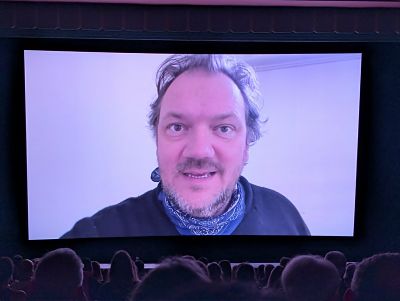
A pre-recorded message from the film’s protagonist, Charly Hübner, added a moving touch, particularly as he spoke about the film becoming the final work of celebrated director Wolfgang Becker, best known for Good Bye, Lenin! (2003).
Despite Amrum being the centrepiece of the festival, Berlin Hero was a fitting choice for opening night. Sharp, funny, melancholic and unmistakably Berlin, Becker’s final film captures a city still negotiating its fractured identity decades after the fall of the Wall.
History lingers in train stations, old resentments and half-forgotten stories. Beneath the humour sits something more uncomfortable: a question the film repeatedly circles; what is truth, and what is performance? That question becomes even more haunting as the film folds journalists, activists, historians and politicians into the narrative, exposing how public memory is often shaped less by facts than by whoever tells the story most convincingly.
Set in 2019, on the eve of the 30th anniversary of the Fall of the Berlin Wall, the story follows struggling video store owner Micha Hartung, played brilliantly by Hübner, whose ordinary life spirals after a journalist sensationalises his supposed role in a daring East German mass escape. What unfolds is a tragicomedy about media mythmaking and collective memory.
Becker’s Berlin feels gritty and lived-in rather than romanticised. The city is full of ghosts: East and West Germany, unresolved shame, nostalgia commodified into headlines and television appearances. Yet the film never becomes heavy-handed. Instead, it moves with wit and warmth, balancing absurd celebrity culture with genuine emotional ache. Leon Ullrich is excellent as the opportunistic journalist whose ambition snowballs beyond control, while Christiane Paul brings elegance and sincerity to Paula, the woman caught somewhere between the myth and the man.
The audience at the Astor responded exactly as a film festival crowd should: laughing loudly together, leaning into the awkwardness, then sitting in reflective silence as the emotional weight slowly settled in. There was a collective sense that everyone had experienced something bittersweet and deeply human.
If there was one disappointment, it sat outside the cinema itself. For a premium-priced opening night ticket ($79) backed by high-flying sponsors including HSBC Australia and Lexus, the hospitality felt underwhelming. Guests were handed a modestly sized lunch box of assorted cheeses that lacked the warmth and generosity often associated with European film festival culture. That said, the man frantically sprinting through the aisles moments before the screening to distribute leftover mini buns to the audience did provide an unexpectedly charming cosy and comic moment, like a last-minute bread-based act of mercy.
In comparison, the Greek Film Festival, despite operating with a more modest sponsor base such as Procal Dairies, consistently delivers a more celebratory atmosphere. Their goodie bags often feel less like film festival merchandise and more like you accidentally won a suburban raffle: milk, FIX beer, oregano, post-funeral desserts, fidget spinners, keychains and enough miscellaneous surprises to briefly make you forget there’s also a movie involved. Regardless of the film, you leave feeling like you somehow got more than what you paid for.
Still, once Berlin Hero began, those shortcomings faded quickly into the background. Becker’s final work, released posthumously, more than compensated. Thoughtful, funny and emotionally resonant, it proved a powerful opener for the festival’s milestone 25th year: a reminder that the best cinema doesn’t just entertain, but also quietly interrogates the stories nations tell themselves long after history is over.
Highlights:
- Charly Hübner’s layered and deeply human performance
- Wolfgang Becker’s bittersweet final direction
- Sharp commentary on media mythmaking and historical memory
- A Berlin atmosphere that feels textured, gritty and authentic
- An audience fully locked into the emotional rhythm of the film
Who’s it for?
Fans of intelligent European cinema, political tragicomedies and character-driven stories that balance humour with emotional depth. Particularly recommended for viewers who enjoyed Good Bye, Lenin!, contemporary Berlin-set dramas or films that explore how history continues to shape personal identity decades later. Bonus points if you were alive during the fall of the Berlin Wall.
Reviewed by Mary Sinanidis